1. Introduction:What Is an Industrial Mini PC?
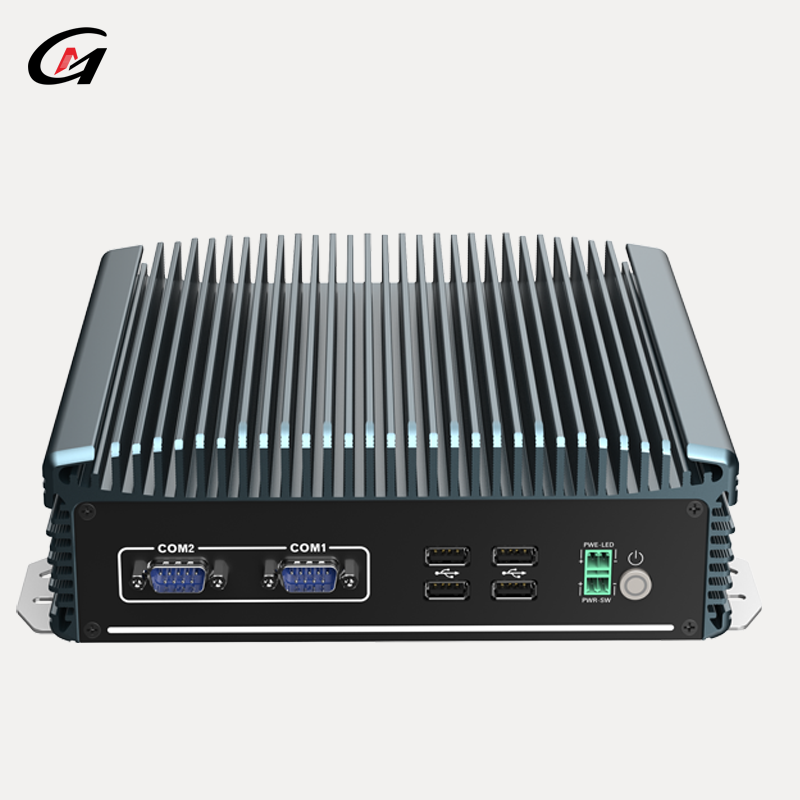
An industrial mini PC is a compact, ruggedized computer designed specifically for harsh industrial environments.
Unlike consumer-grade mini PCs, industrial mini PCs are engineered to operate reliably under:
- Extreme temperatures
- Dust and vibration
- Electrical noise
- Long-hour continuous workloads
They are widely used in automation, factory control, machine vision, edge computing, transportation, and many other industrial applications where stability and durability are critical.
2. Key Differences Between Industrial Mini PCs and Consumer Mini PCs
Although they look similar in size, the internal design philosophy is completely different.
Here are the main technical differences:
2.1 Operating Temperature Range
Industrial mini PCs support wide-temperature operation, such as:
- –20°C to 60°C
- –40°C to 75°C (extreme models)
Consumer mini PCs generally operate only between:
- 0°C to 35°C
This makes industrial mini PCs suitable for outdoor environments, factory floors, vehicles, or cold storage facilities.
2.2 Fanless Cooling Architecture
Most industrial mini PCs use a fanless design, which relies on:
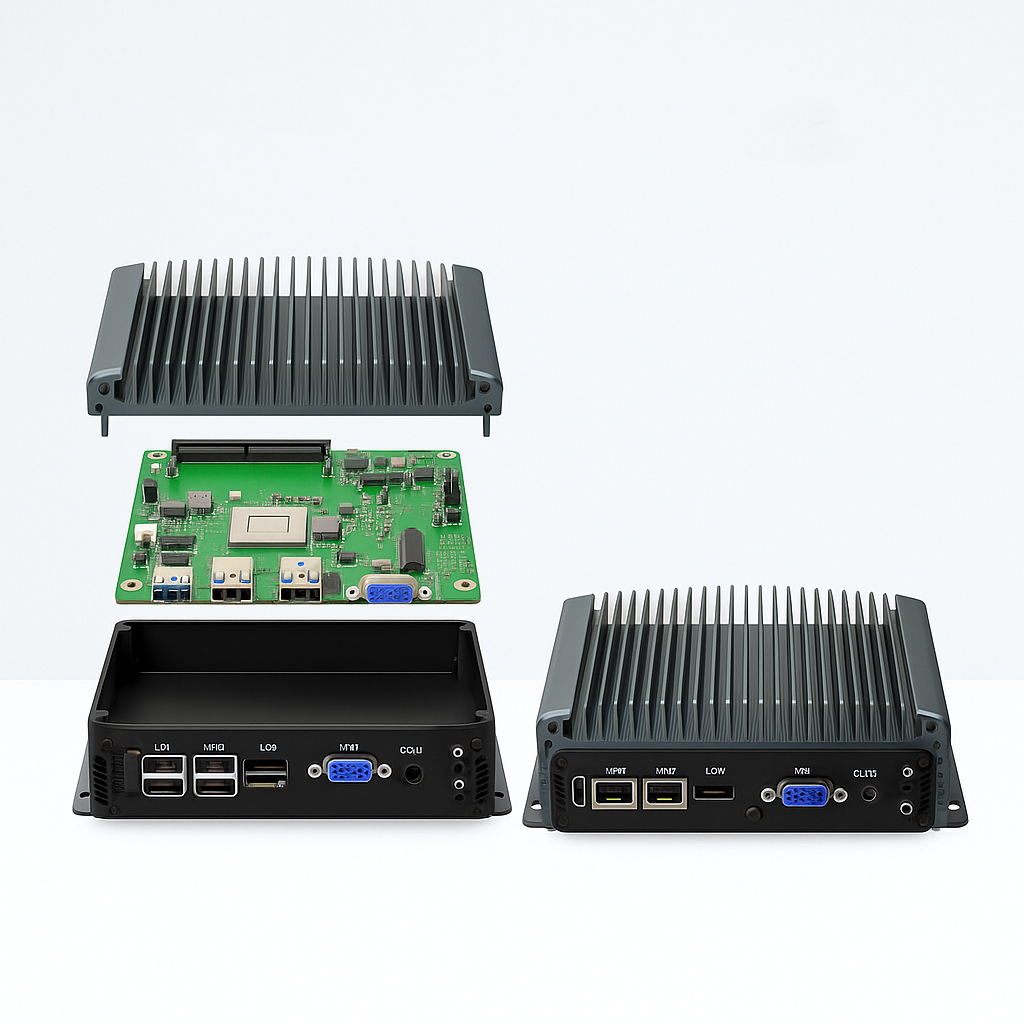
- Full aluminum chassis
- Passive heatsink structure
- Heat-conductive copper plates
Advantages:
✔ Zero dust accumulation
✔ Zero mechanical wear
✔ Silent operation
✔ Long-term reliability
Consumer mini PCs use fans → easy to accumulate dust → lifetime shorter.
2.3 Wide Voltage Input & Power Protection
Industrial mini PCs often support 9–36V wide-voltage DC input with safety protections:
- Over-voltage
- Over-current
- Reverse polarity
- Surge protection
This is essential for AGVs, vehicles, automation equipment, and unstable power supply environments.
2.4 Industrial-Grade I/O Ports
Industrial applications require stable communication.
Typical industrial mini PC I/O includes:
- RS232 / RS485 COM ports
- Multiple LAN (1/2/4 LAN) including Intel i226/i210
- GPIO
- CAN bus
- Isolated digital inputs/outputs
These are rarely available in consumer-grade mini PCs.
2.5 Long Lifecycle Components
Industrial PCs use embedded-grade CPUs such as:
- Intel J4125 / J6412
- Intel 8th–13th Gen Core i3/i5/i7
- AMD Ryzen Embedded series
These platforms have 5–7 years longevity, ensuring product consistency for long-term projects.
Consumer processors update every 1–2 years → not stable for industrial OEM projects.
3. Core Technical Features of Industrial Mini PCs
Below are the engineering characteristics that define a professional industrial mini PC.
3.1 Rugged Aluminum Chassis Design
The housing is not only for protection but also acts as a thermal conduction module that dissipates CPU heat across the entire chassis.
Good chassis design includes:
- CNC-machined heatsink fins
- Thermal pads + heat pipes
- Structural rigidity to resist vibration
At Gonzmei, all our units feature IP65-rated aluminum alloy chassis.
3.2 ESG & EMC Industrial Certification
Industrial mini PCs often meet safety and electromagnetic standards:
- CE, FCC, RoHS
- EN55032 / EN55035
- IEC 60950 / IEC 62368-1
This ensures stable operation even in environments with heavy motors or electromagnetic noise.
3.3 24/7 Continuous Operation Capability
Industrial environments require systems that run nonstop.
A good industrial mini PC is designed for:
- 24/7 operation
- Long MTBF (Mean Time Between Failures)
- Low failure rate even under sustained high load
3.4 Expandability for Industrial Scenarios
Many industrial mini PCs support:
- Mini-PCIe / M.2 expansion
- 4G/5G modules
- WiFi 6 / BT 5.2
- Additional COM ports
- Multi-LAN customization
This allows system integrators to tailor them for specific project requirements.
4. Common Applications of Industrial Mini PCs
4.1 Factory Automation & SCADA Systems
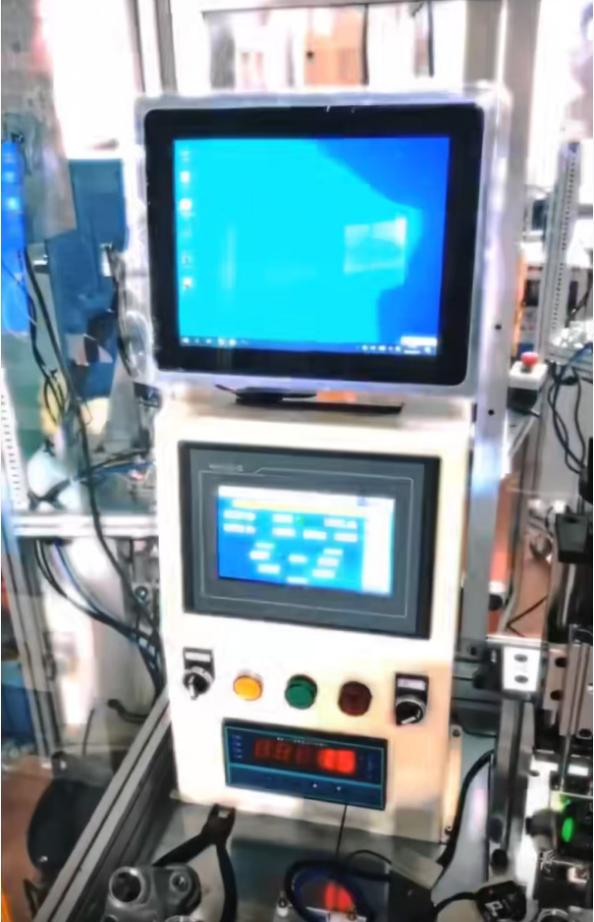
Industrial PCs act as:
- Control terminals
- PLC communication nodes
- HMI panels (when paired with touch screens)
- Data gateways
They collect machine data and enable real-time monitoring.
4.2 Machine Vision Systems
Used for:
- Quality inspection
- Barcode scanning
- Object detection
- AI-based visual processing
Industrial mini PCs with Core i7/Ryzen CPUs + Intel LAN + USB3.0 work perfectly for vision systems.
4.3 Edge Computing / IoT Gateways
Industrial IoT requires edge processing for:
- Low-latency decisions
- Local data filtering
- Secure transmission to the cloud
Industrial mini PCs with dual LAN + COM + wide voltage are ideal gateways.
4.4 Transportation & Vehicle-Mounted Systems
Including:
- Public transport displays
- Railway control systems
- AGV robots
- Smart surveillance
Requirements:wide temperature + anti-vibration + wide voltage → industrial mini PCs meet them.
4.5 Medical & Commercial Equipment
Such as:
- POS systems
- Medical imaging assistant terminals
- Self-service kiosks
- Retail automation
These require compact, stable PCs with long lifecycles.
5. How to Choose the Right Industrial Mini PC?
When selecting an industrial mini PC, consider the following factors:
5.1 CPU Performance
Choose according to workload:
- Entry-level: Celeron J4125 / J6412
- Mid-level: Intel 8th–11th Gen i3/i5
- High-performance: 12th–13th Gen Intel i5/i7(AI + Vision)
- AMD: Ryzen R1606G / V1605B for GPU-heavy tasks
5.2 Cooling Method(Fanless Preferred)
Passive cooling = better reliability.
Ensure:
- Adequate heatsink size
- Good thermal contact
5.3 I/O Requirements
Match your application:
- COM ports (RS232/RS485)
- Dual / Quad LAN
- USB3.0
- HDMI / DP outputs
- GPIO
5.4 Environment Conditions
Consider:
- Outdoor / indoor
- Vibration
- Temperature extremes
- Power stability
5.5 Certification Requirements
Export projects may require:
- CE / FCC
- EN50155 (railway)
- IP65/IP67 (dust/water proof, for panel models)
6. Why Industrial Mini PCs Are Becoming the Future of Industry 4.0
With the rapid growth of:
- AI edge computing
- 5G
- IoT
- Smart manufacturing
Industrial mini PCs are now replacing bulky industrial computer systems because:
✔ Smaller size
✔ Lower power consumption
✔ Higher performance
✔ Easier integration
✔ Lower cost
✔ More flexible installation
This makes them essential for Industry 4.0 and smart automation.
7. Conclusion
An industrial mini PC is more than a compact computer.
It is an engineered solution built for reliability, durability, and long-term stability in demanding industrial environments.
Choosing the right model can greatly enhance the performance of automation systems, IoT applications, machine vision solutions, and edge computing workloads.
As industries evolve toward high efficiency and digitalization, industrial mini PCs will remain a foundational component of modern industrial infrastructure.
Looking for a reliable Industrial Mini PC manufacturer? Contact Gonzmei team today for a Free Quote & Datasheet!